Starting a Coffee Catering Business
From weddings to corporate retreats to private events like baby showers and birthday parties, a mobile coffee bar is becoming a popular feature to elevate the guest experience. For aspiring Coffeepreneurs® who want to get into the coffee business without the overhead of a brick-and-mortar location, coffee catering offers a compelling, lower-cost path in.
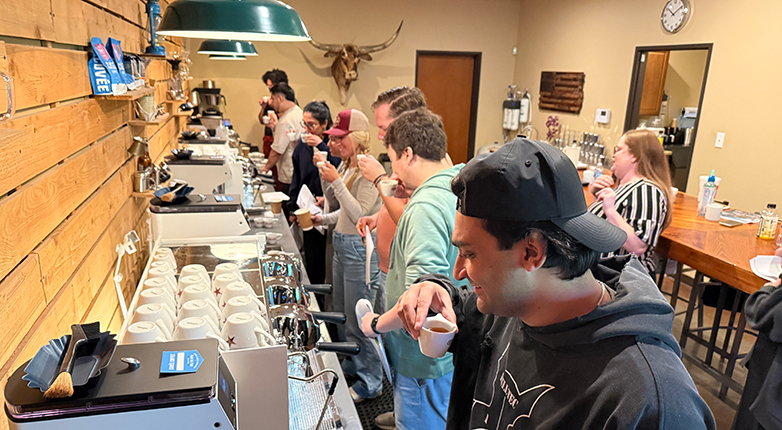
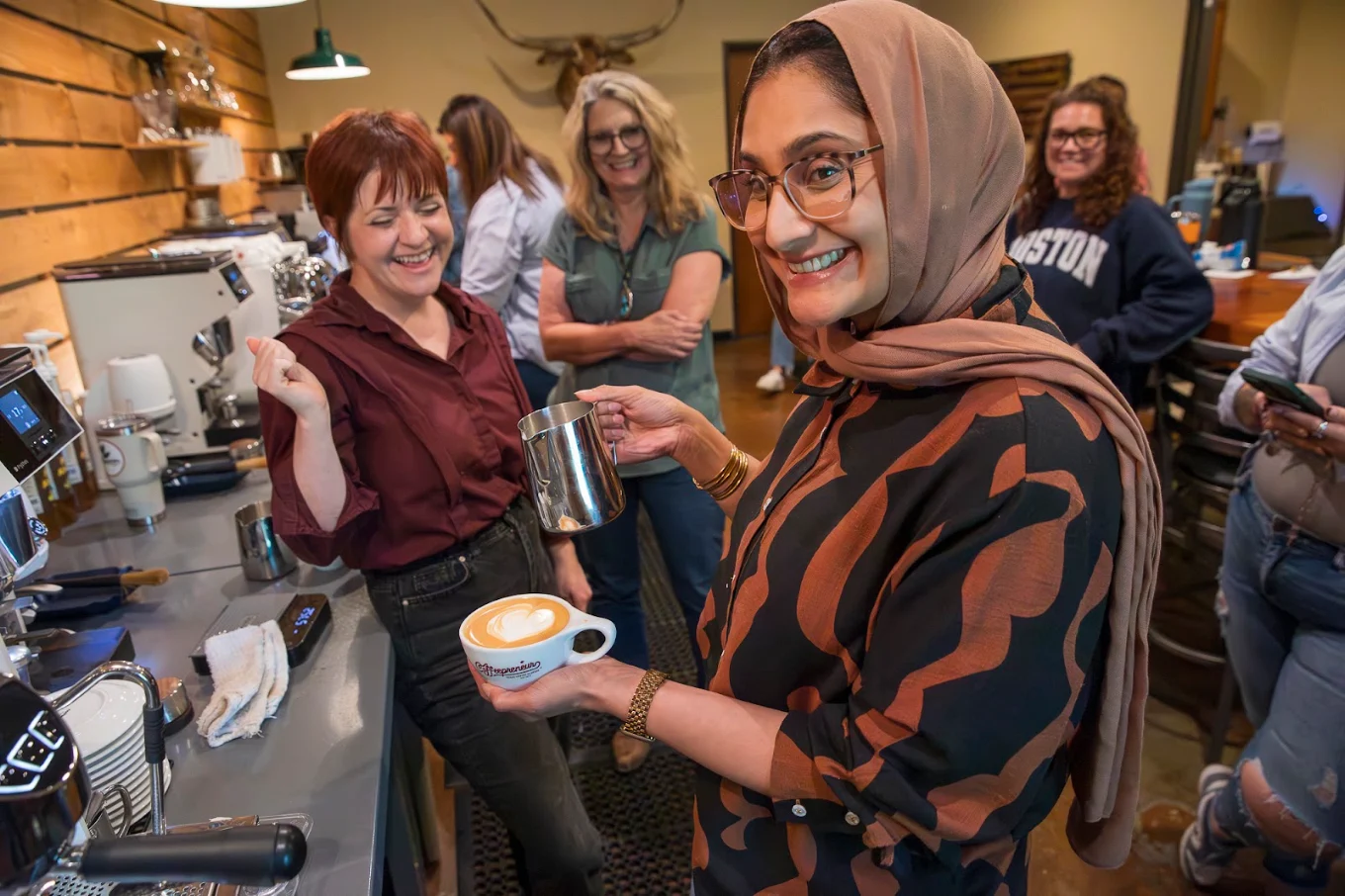
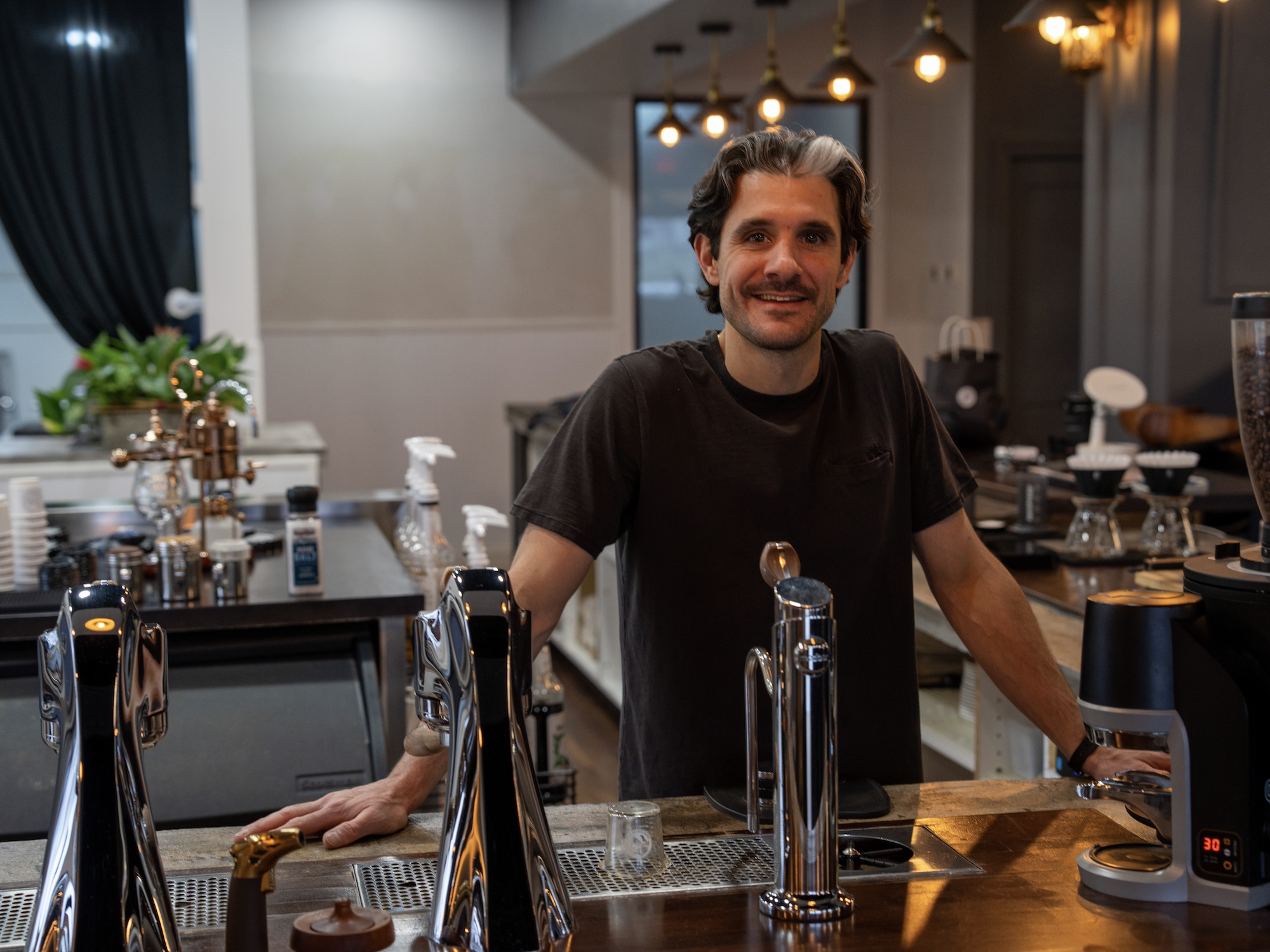
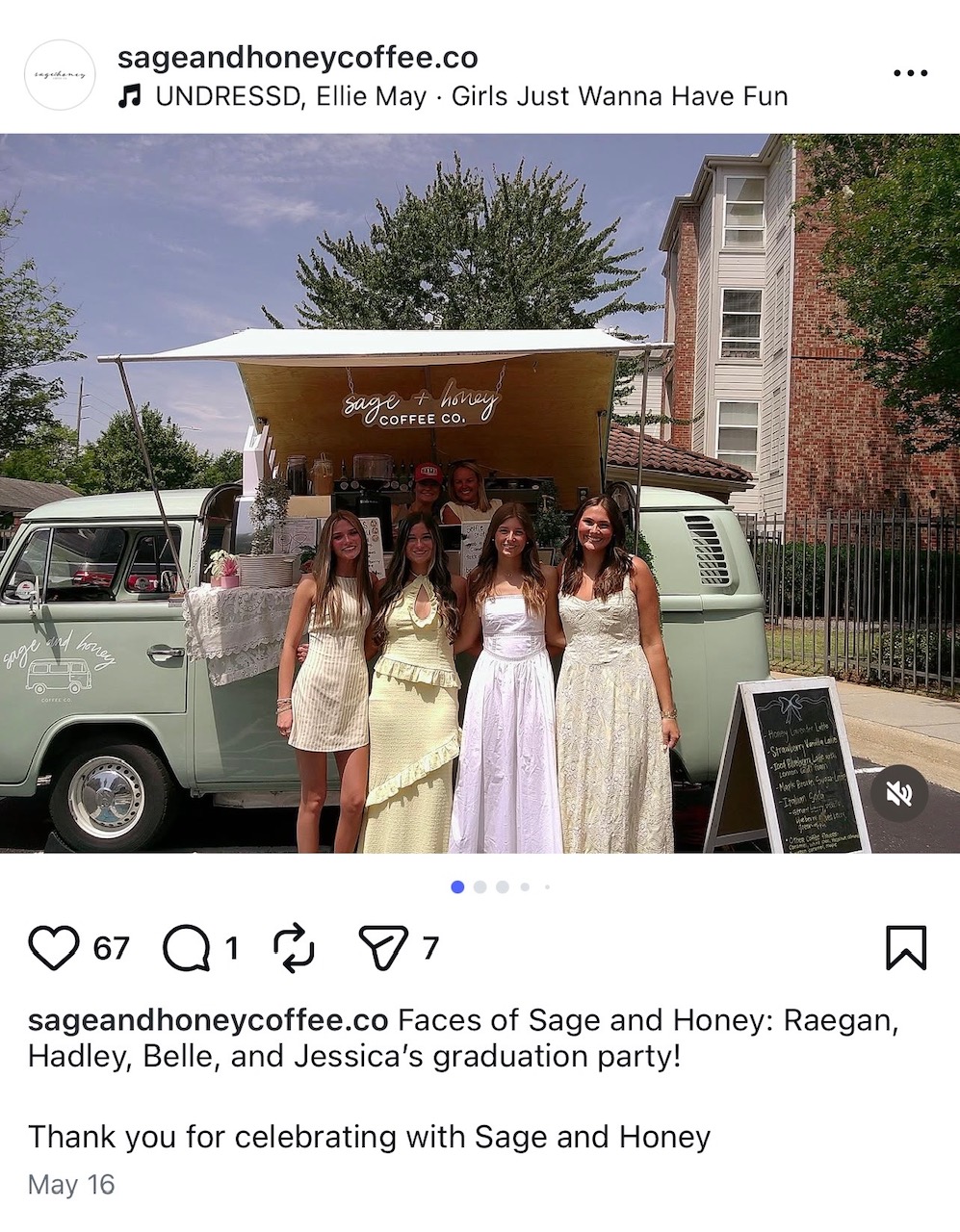
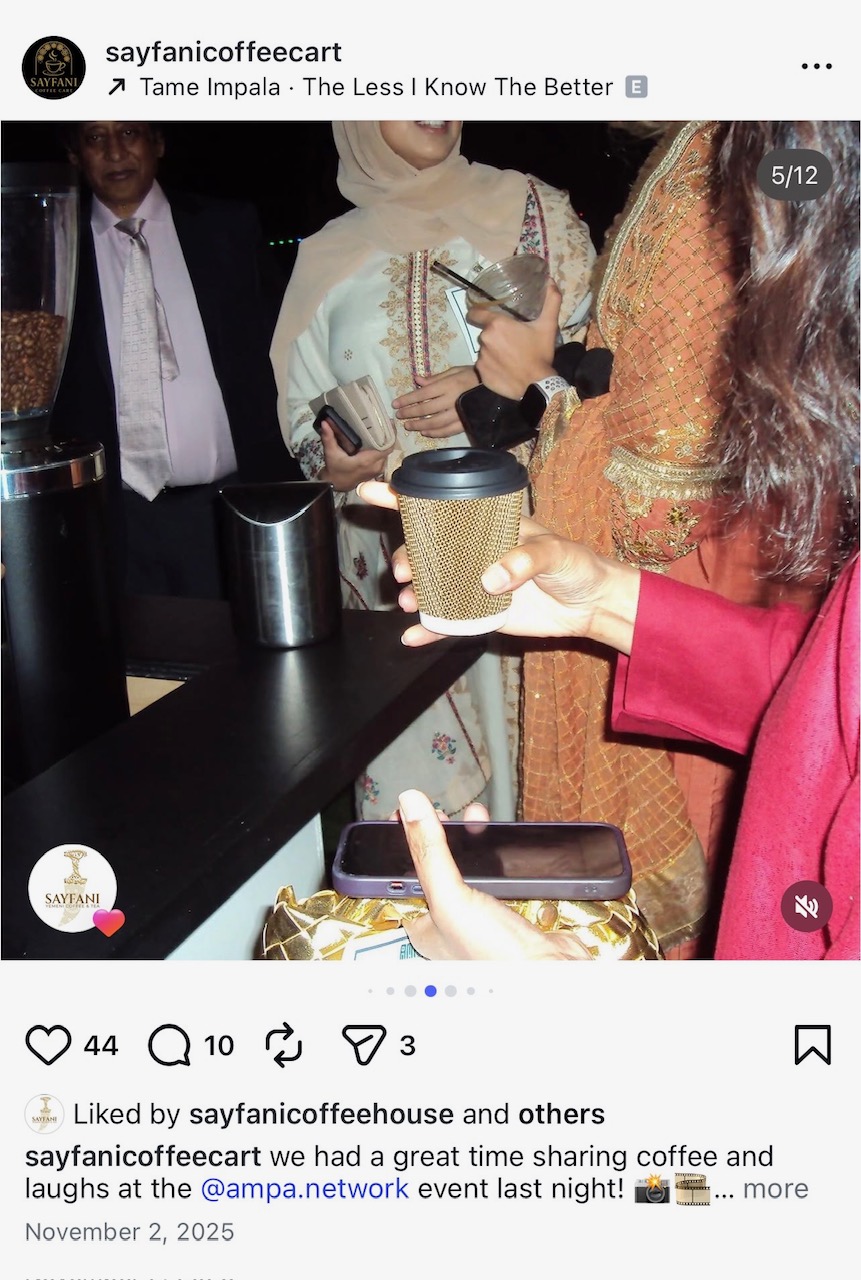
All photos in this post are from Texas Coffee School graduates, Sage and Honey and Sayfani Coffee.
Check out our 3-Day Coffee Business Master Class® to launch your own catering business.
The Coffee Catering Market Is Growing
The demand for coffee catering is rising. The U.S. catering services market was estimated at $60.4 billion in 2022 and is projected to grow at a 7.7% CAGR through 2030, driven in large part by the resurgence of corporate events and social gatherings.
According to the International Caterers Association’s industry survey, 48% of caterers reported corporate events as their largest area of growth, while weddings remained the largest single source of catering revenue.
On the consumer side, 46% of American adults consumed specialty coffee in 2024, according to the National Coffee Association, up from 25% a decade earlier. That growing familiarity with quality coffee means guests at events now expect more than a drip urn. They want specialty espresso drinks, milk alternatives, seasonal signatures, and a barista experience. That shift in expectations is the opportunity for coffee caterers.

Who’s Hiring Coffee Caterers?
The short answer: a lot of people. Here’s a look at the most active markets.
Weddings
Couples are increasingly incorporating specialty coffee service into their wedding day, whether at cocktail hour, during the reception, or as a late-night offering alongside dessert. Many opt for signature drinks named for the couple, custom cup designs, or color-coordinated sips. Weddings remain the single largest source of revenue for catering companies overall, and coffee bars have become a standout element that guests remember and talk about.
Corporate Events
This is the fastest-growing segment for coffee caterers. Companies hosting product launches, conferences, employee appreciation days, and team retreats want their event to feel polished and personal. A professional mobile espresso bar with branded cups delivers exactly that. It becomes a conversation piece, a photo opportunity, and something attendees associate with the quality of the event itself.
Private Events
Birthday parties, graduation celebrations, baby showers, bridal showers, and neighborhood gatherings are all strong markets for coffee catering. Private clients often become repeat customers or enthusiastic referral sources, especially when their guests have a great experience.
Festivals and Markets
Farmers markets, outdoor festivals, pop-ups, and community events give coffee caterers a chance to serve a high volume of guests and build local brand recognition. These bookings can be a reliable source of revenue between larger private and corporate events.
What Coffee Catering Costs to Start
One of the biggest advantages of the coffee catering model is a lower barrier to entry compared to a traditional shop. According to our breakdown of startup costs, here’s what you can expect to invest:
- Mobile Coffee Cart: $7,500 to $15,000
- Coffee Trailer: $15,000 to $55,000
- Coffee Truck: $35,000 to $100,000
- Traditional Sit-Down Coffee Shop (1,500 sq ft): $300,000 to $625,000
For a catering business, a cart or trailer is the most logical starting point. The overhead stays lean, there’s no long-term lease, and you can grow at your own pace.
We go deeper on what it takes to build a cart business from scratch in our article: What It Actually Takes to Run a Successful Coffee Cart Business.
A Caterer to Watch: Sayfani Coffee Cart
Texas Coffee School graduate Sayfani Coffee Cart is a strong example of what this business model can look like in practice.
Sayfani, already a successful multi-location coffee shop, launched a coffee cart to offer catering at weddings, graduations, work parties, and private events. An extension of their brand, the mobile cart serves both loyal Sayfani customers and new customers alike.

6 Tips for Starting a Coffee Catering Business
1. Train First, Then Launch
Pulling 150 drinks in two hours at a corporate event while guests stand in line is not the moment to be learning barista basics. Regardless of the size of your venture, it’s important to invest in real barista training before you book your first event. Our 3-Day Coffee Business Master Class® helps coffee carts and caterers design menus, batch-create drink bases, and purchase the right equipment for their mobile business.
2. Choose the Right Setup
You don’t need the biggest or most expensive equipment to start. You need a setup that is reliable, mobile-friendly, and matched to the volume you’re targeting. A quality cart with the right espresso machine outperforms a larger rig that’s difficult to transport or maintain. Espresso machine’s not in the picture? We share methods that use cold brew concentrate to create cold espresso-based drinks.
For a detailed look at planning your cart setup, read What It Actually Takes to Run a Successful Coffee Cart Business.
3. Design Your Menu Strategically
At events, your line will move slowly if you offer every conceivable espresso or tea drink made to order. (This is especially true if you’re the only employee!) Rather, design a limited menu. Consider drinks you can batch prepare efficiently in advance or in your limited space.
We talk about menu tactics in this article.
4. Get Your Permits and Licenses in Order
Licensing requirements for mobile food businesses vary by state and county, so research the rules in your area before you start. Carts and trucks may have different requirements.
Texas Coffee School graduate Blasia Esposito of Blasia’s Coffee and Tea navigated this process firsthand while launching her cart as a side business. Read her insight in our article.
5. Market Your Catering Business
Every event you work is a marketing opportunity. Use social media to post your setup, your drinks, and your happy clients. Tag everyone involved: the venue, the event planner, the couple or company hosting, and any other vendors you worked alongside, such as florists, rental companies, photographers, and caterers. When you tag other businesses, you expand your reach to their audiences and signal to event planners that you’re a collaborative, professional vendor worth recommending.
Sayfani Coffee Cart does this well. Their Instagram showcases beautifully styled setups at real events, giving potential clients a clear and appealing picture of what booking them looks like. A consistent, active social presence builds credibility before anyone picks up the phone. In the events industry, clients often decide before they ever make contact.
Another tip: have a QR code and contact information available at your events so others can easily follow and book you.
Build Relationships With Event Planners and Venues
Event planners, wedding coordinators, and venue managers are key referral sources for consistent bookings. Introduce yourself, ask to be added to their vendor lists, and invest in professional photos of your cart and drinks in action. Clients hire coffee caterers largely based on what they see and hear from references. Great photos and great reviews can go a long way.
Start Your Coffee Catering Business at Texas Coffee School
Coffee catering is one of the most accessible entry points into coffee entrepreneurship available right now. The startup costs are manageable, the market is growing, and the skills you build translate directly to other coffee business models down the road.
If you want to build the foundation to do it right, Texas Coffee School’s 3-Day Coffee Business Master Class® and 2-Day Barista Training Class give you both the craft and the business knowledge to launch with confidence.
Featured Classes


Register for a Coffee Class
The Best Coffee Training Available
We’ve helped hundreds of students successfully launch their own coffee shop businesses. Join us in our 5-Star Rated Coffee Classes, whether you’re an aspiring entrepreneur looking to open a coffee shop, a manager, a barista or home enthusiast looking to sharpen your skills.