What do broader cafe menus mean for your business?
Recently, Texas Coffee School founder Tom Vincent had the chance to speak to Barista Magazine. The article discussed the way café menus have expanded over the past several years, and what that means for baristas and operators. As consumer tastes change, the article asked, “What matters more? The espresso or the cold foam?”
Tom’s response: “The biggest change I see isn’t that coffee has become less important. It’s that the definition of a retail coffee shop business has become much broader.”
Sure, coffee shops and their menus have become much more dynamic in recent years. This shift brings an opportunity for independent owners to thoughtfully incorporate new flavors and ingredients into their concepts. But it doesn’t mean stepping away from the basics–both in menu design and barista training. The definition of a coffee shop is becoming broader, but coffee (and the classic drinks) still remain the anchor.
You can read the full conversation on Barista Magazine’s site. In this article, we explore the nuance of what both owners should consider as they build their menu, why fundamental barista skills are just as important as ever, and how excited we are to see this shift in the industry.
A shift in our barista training
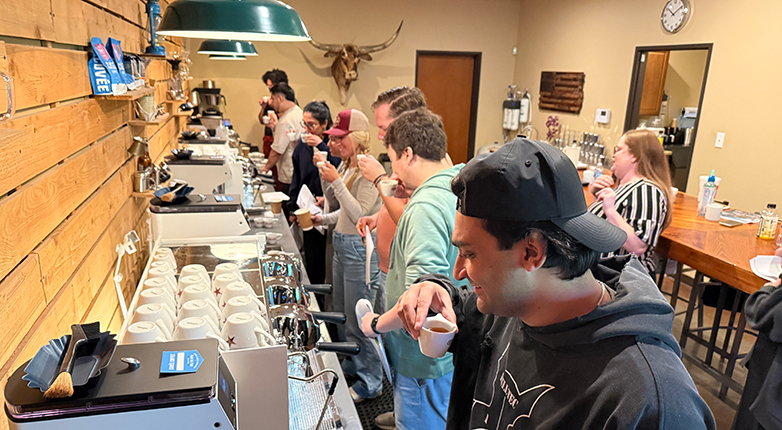
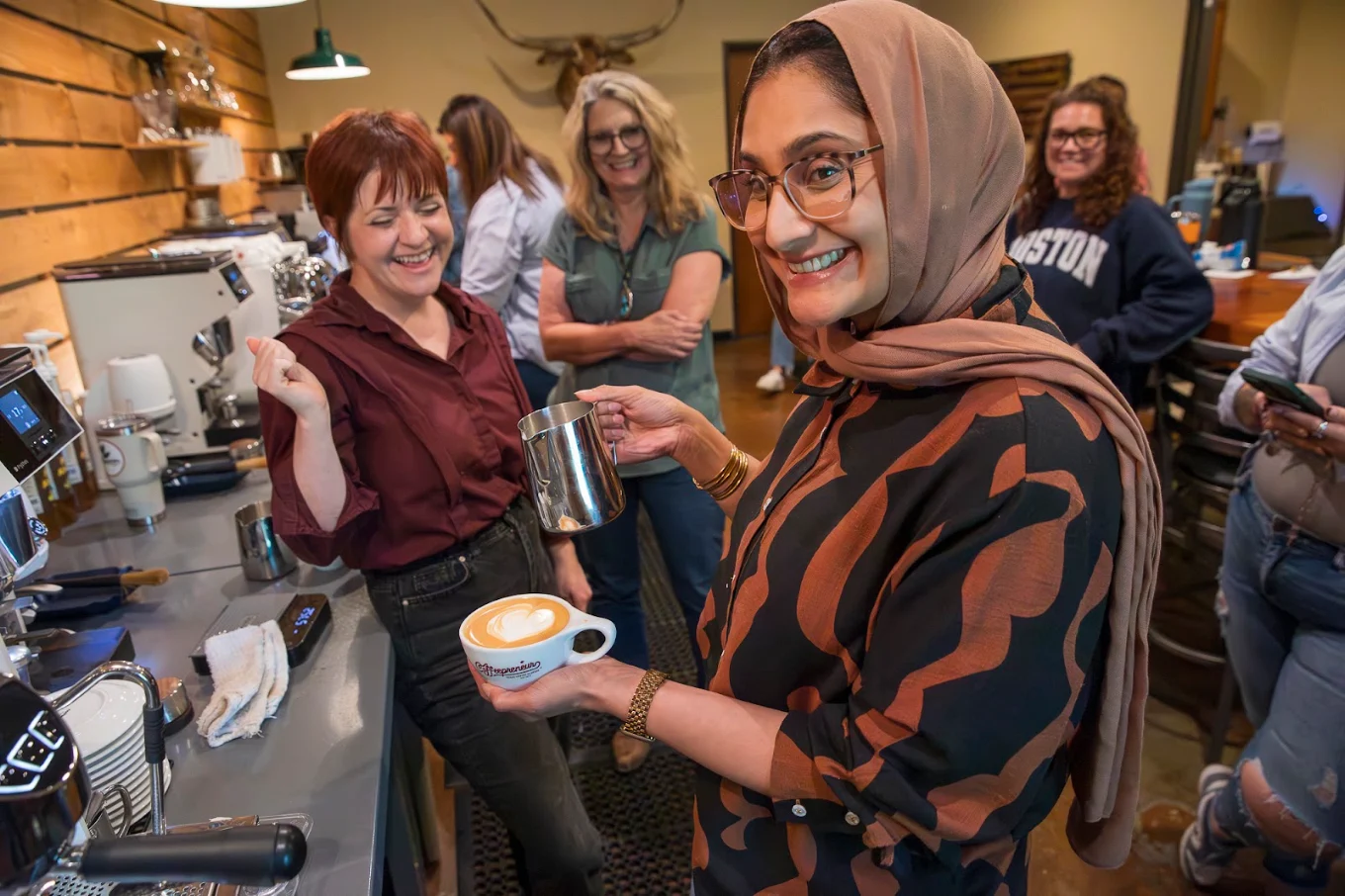
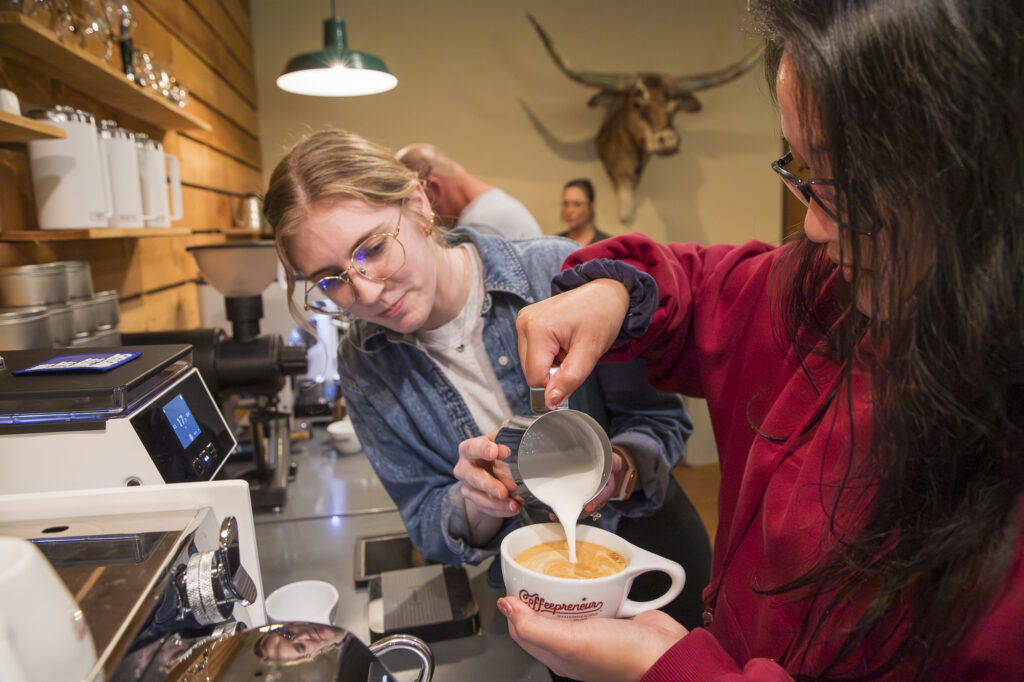
We train baristas and aspiring coffee shop owners to make excellent, consistent drinks behind the bar. Five years ago, the hands-on coffee training segment of Texas Coffee School’s 3-Day Coffee Business Master Class® was roughly 75% espresso, milk, and workflow, with the remaining 25% covered recipes and other drinks. Today, that split is closer to half and half, allowing more time for baristas to practice building a range of drinks beyond espresso, including iced drinks, cold brew, matcha, craft energy drinks, and more.
The class itself is now longer to make room for the change. This evolution of our curriculum mirrors the evolution of the coffee business itself. The shop someone is planning today can be a much broader beverage business than what we saw a few years ago, with coffee still at its core. Today’s baristas need to add on to their espresso skills, not replace their espresso skills with something new.
Where do you start with a menu when the drink options (and trends) are endless?
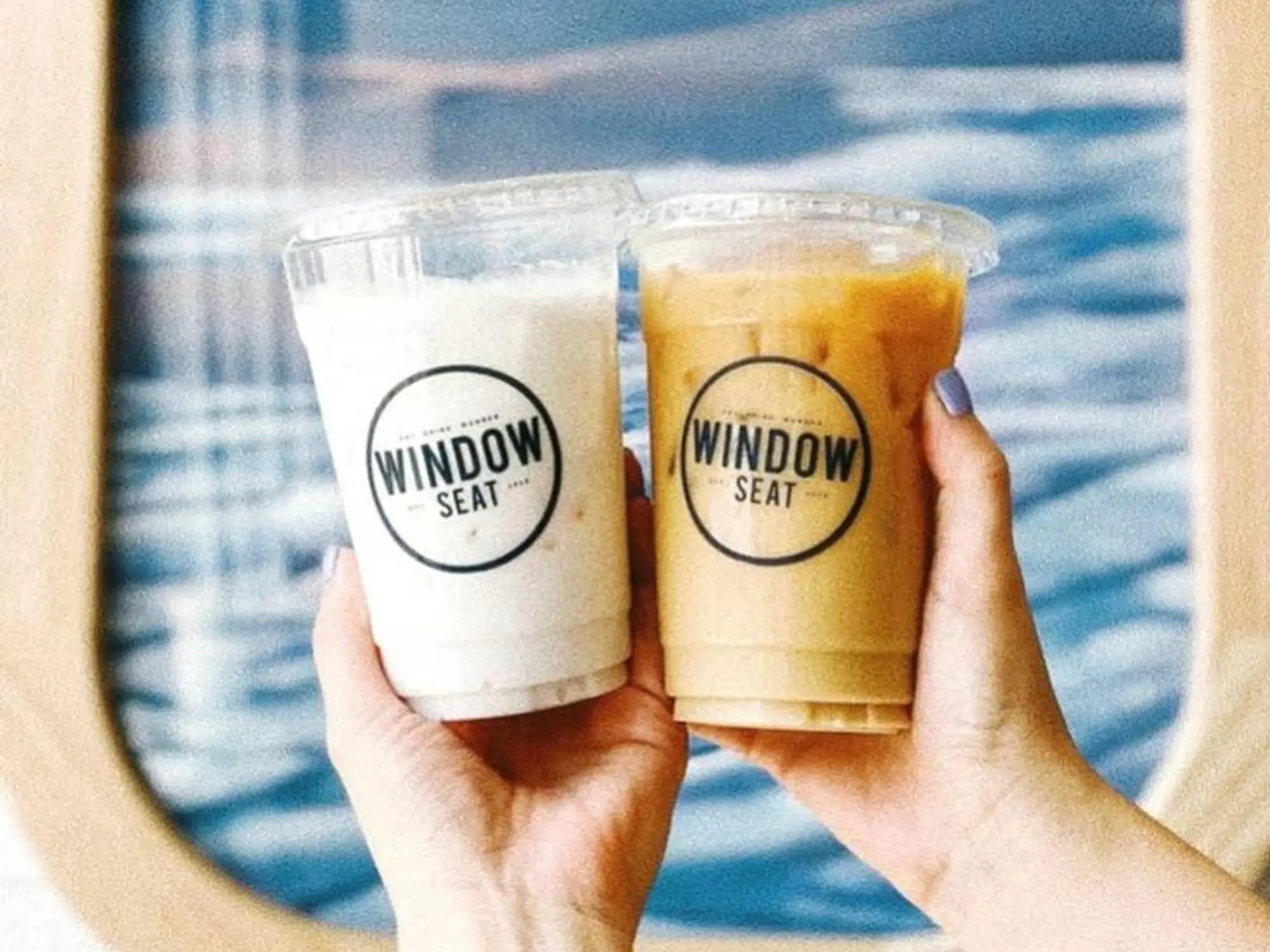
Coffee shops can design menus with a wide variety of inspiration, with influences from mocktail mixology, wellness, fresh ingredients, visual creativity, seasonal drinks, energy beverages, and different cultures. None of these were as visible in mainstream specialty coffee a few years ago, and there’s an eager customer base ready to try something new.
So, does that mean that independent coffee shop owners need to offer… everything? Not at all. The question shouldn’t be, “Should I offer everything that’s trending?” It should start instead with, “What drinks belong in this concept?”
That determination begins with the owner, who needs to have a clear idea of the business, the customer, and the operations behind every drink on the menu. We ask owners to consider:
- Who are you serving?
- Does a drink fit the brand and core values of the company, or is it just trendy?
- Does your customer actually want it?
- Can you execute it well and profitably?
The shift happening beneath the new drink categories
Today’s generation of coffee shop owners and baristas understands that matcha and other categories have earned their solid place in coffee shops. But what’s really exciting is the shift these new drink categories reveals in the industry as a whole. More owners are able to build their businesses around their backgrounds, values, interests, and tastes, rather than defaulting to the same common third wave models.
Third wave coffee brought tremendous value to the industry through its focus on quality, sourcing, preparation, and craft. The next generation of coffee shop owners are building on those standards while drawing from a much broader range of traditions, flavors, ingredients, and experiences. Many of the strongest concepts we see are not built around chasing whatever happens to be popular at the moment. They come from owners with a clear point of view about what they want their shop to be and who they want to serve. In some cases, those ideas end up influencing the trends that follow.
We’ll use some of our own graduates as examples. They’ve created businesses that draw from Mexican, Yemeni, Vietnamese, Japanese, and other cultural traditions, often tying multiple influences together. And in many cases, the concepts are deeply personal. These owners have built around their family, culture, foods and drinks they grew up with, or something from their own background they want to share with their broader community.
Examples from our graduates:
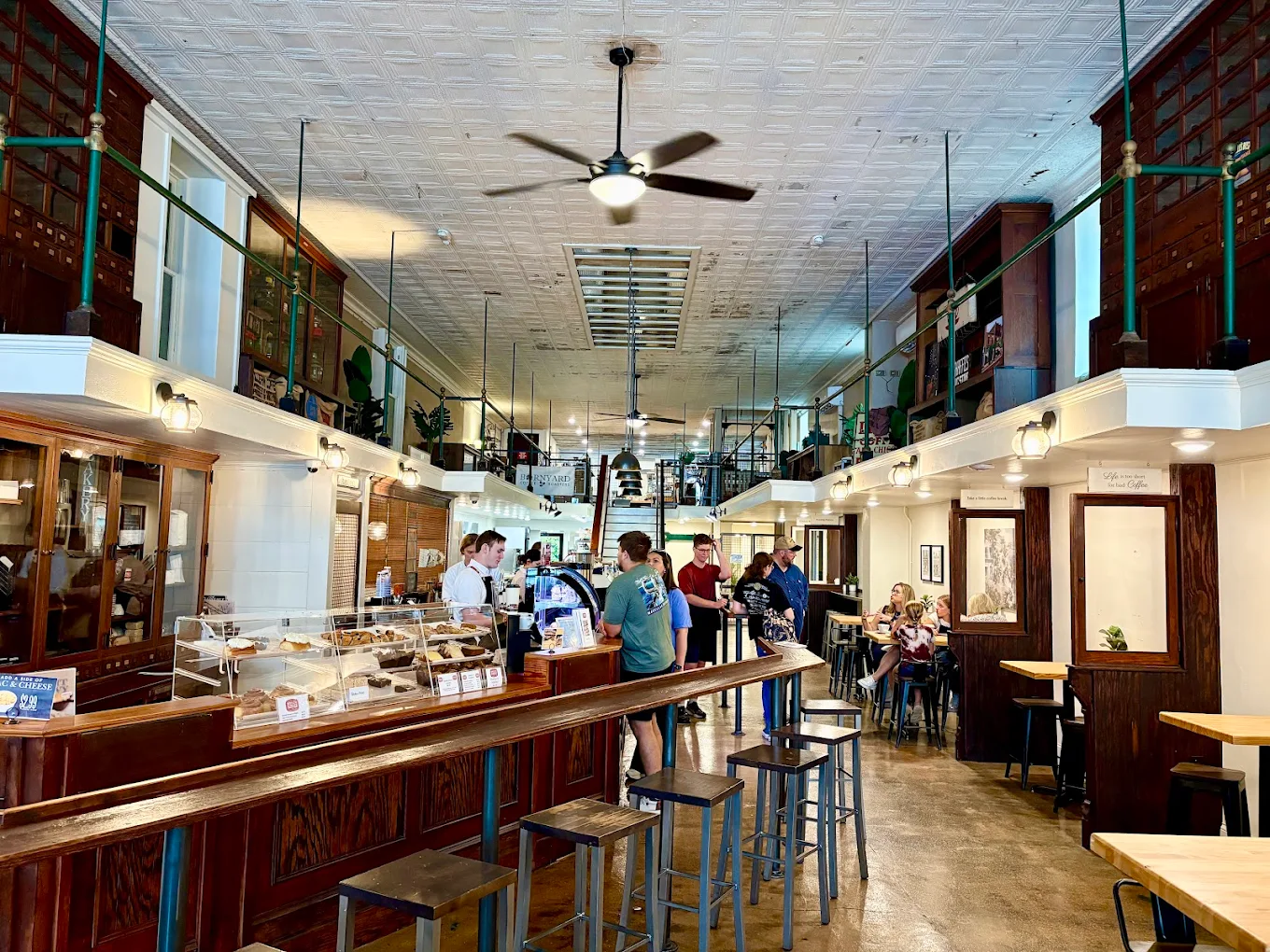
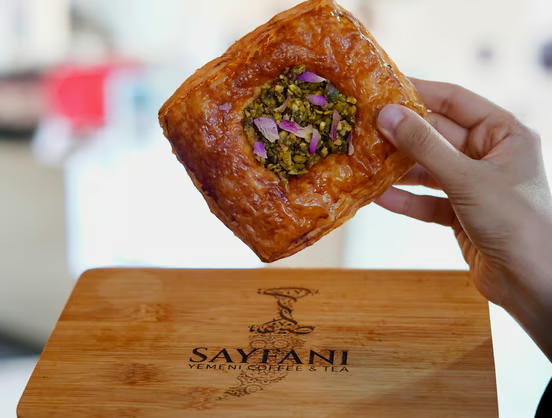
Founders of Arwa Yemeni Coffee, Sayfani Coffee House, and Balqees Coffee, all graduates of our program, position Yemeni coffee traditions at the center of their businesses.
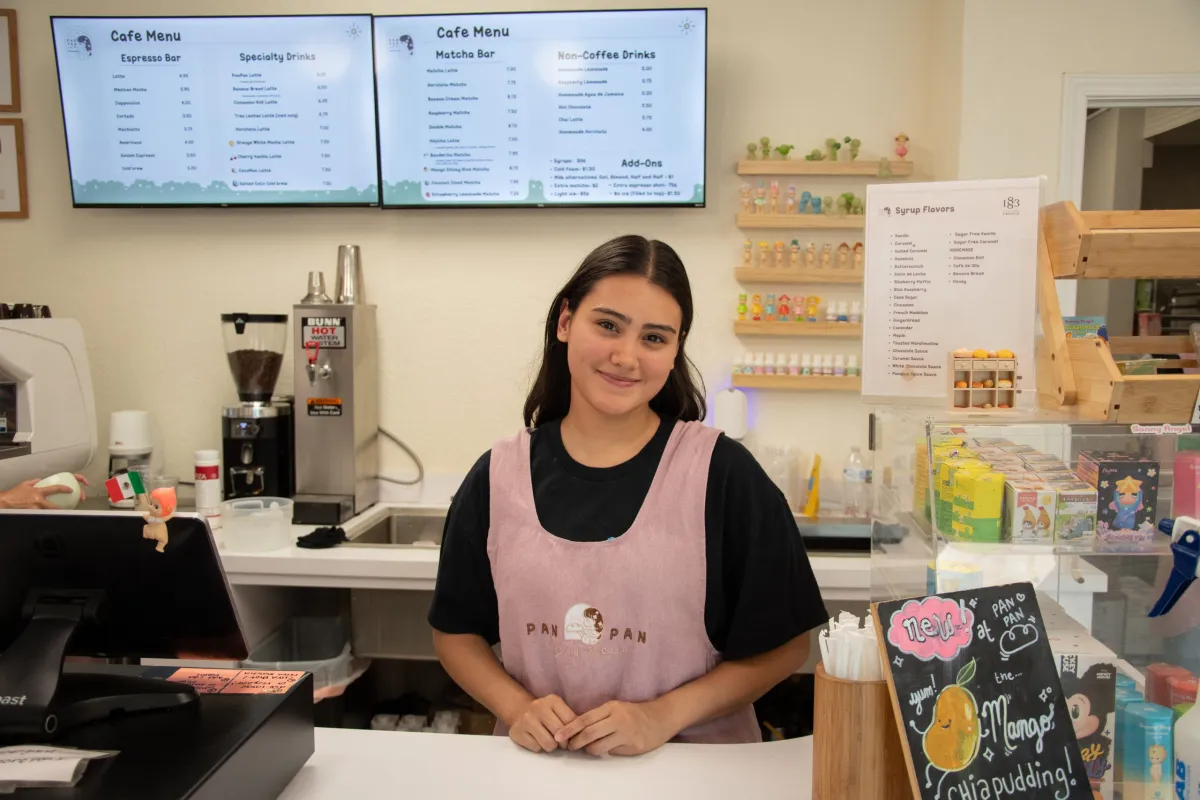
Laura Molinar, founder of Pan Pan Bakery and Cafe, brought together Mexican and Japanese cultures into her viral local shop. You can visit Pan Pan for hybrids like matcha conchas or horchata matchas.
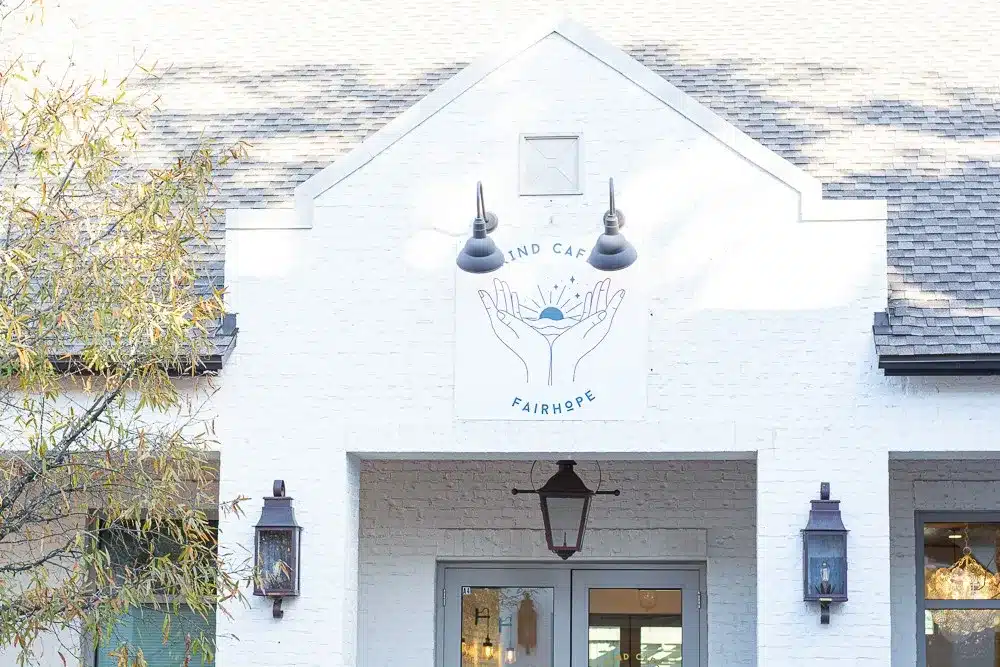
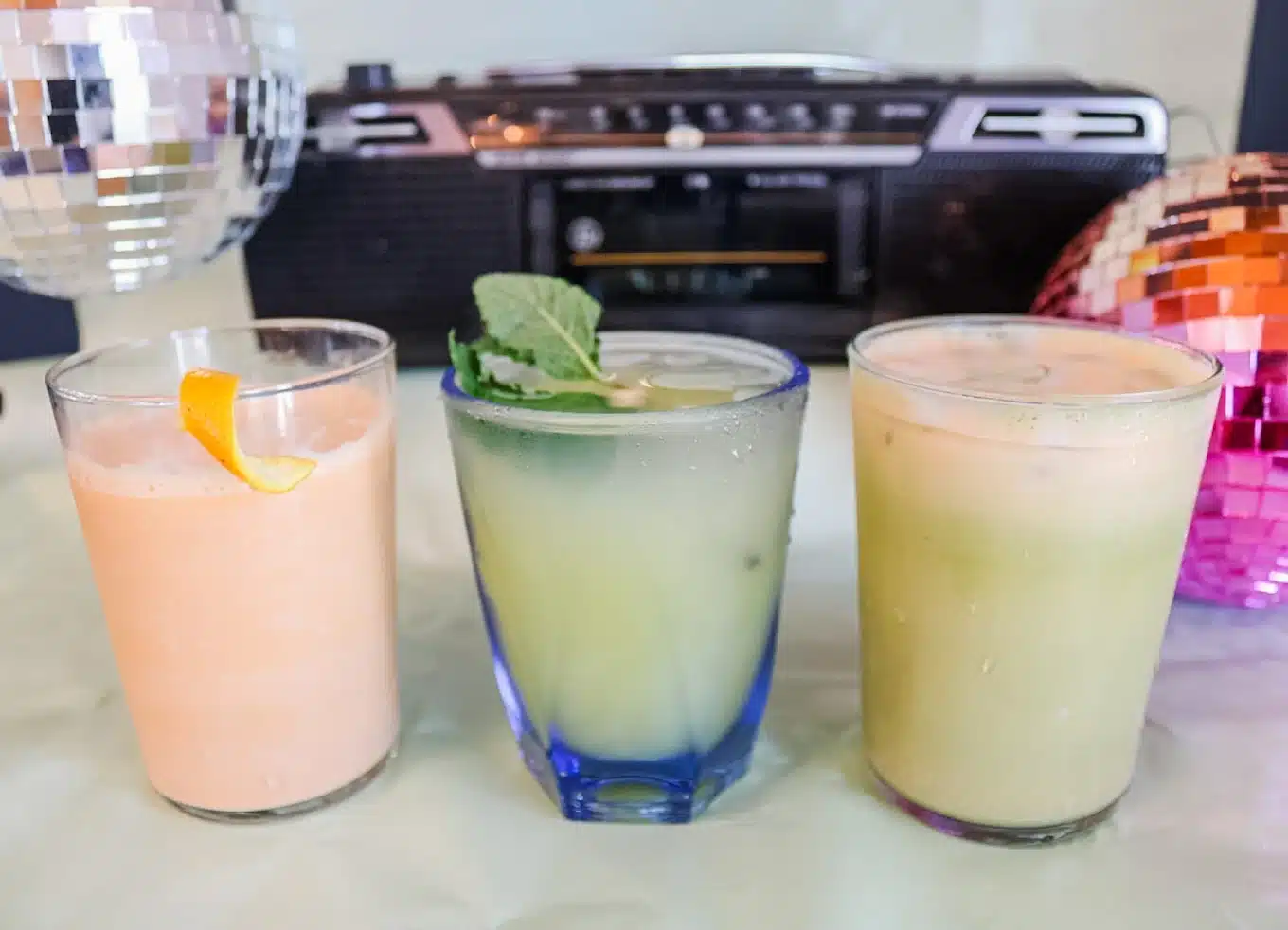
CJ Potter, owner of Serenity Sips, created her wellness concept after suffering a brain injury and learning about holistic wellness technologies to help her heal. She offers a golden milk turmeric wellness latte and a magic magnesium water refresher on her menu.
Interestingly, none of them have abandoned the traditional coffeehouse framework. The espresso machines are still there. The Italian classics are still on the menu. What’s changing is what exists alongside them. They treat each new drink with the same level of thought, quality, and care.
This shift is energizing! Things that used to exist in separate silos are coming together in a very natural way. That makes the industry more interesting, more representative of the people actually opening these businesses, and more reflective of the communities they’re serving.
How baristas and owners can thrive in today’s new café
If you’re hoping to train a team of baristas to succeed in today’s environment, the fundamentals still come first. It’s imperative to understand espresso, extraction, milk, workflow, and what makes a beverage taste right.
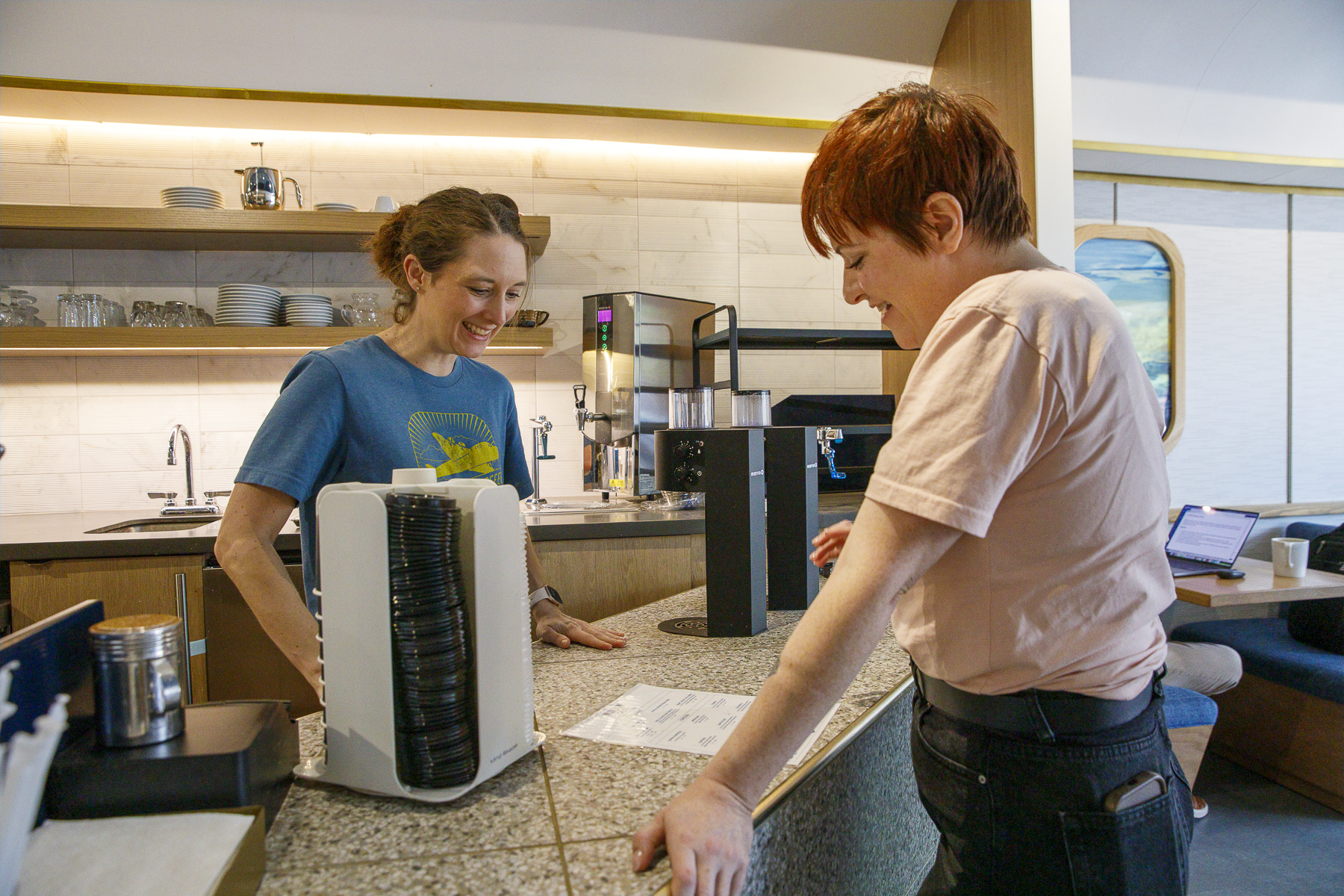
But, adaptability and efficiency have become even more important than ever before. That’s because of everything baristas are now being asked to do on top of the fundamentals. A barista today may move between espresso, matcha, cold brew, energy drinks, multiple milks, foams, syrups, and several completely different drink builds all on the same order.
Knowing the recipes isn’t enough. They have to understand preparation, sequencing, workflow, and how to keep the bar moving while making everything feel seamless and relaxed to the customer standing on the other side.
From an operator’s perspective, a drink isn’t truly excellent if making it consistently backs up the line, hurts profitability, frustrates customers, or burns out the baristas. No matter what’s on the menu, the business has to survive the rush.
Most importantly, the foundation that has always mattered in coffee shops is still what’s making them thrive: work ethic, awareness, hospitality, and care.
Ready to build the right foundation?
Whether you’re stepping behind the bar for the first time or developing your own business concept, learn the fundamentals that will help you succeed.
Our 2-Day Barista Training Class gives baristas and café teams the espresso, milk, and workflow skills to handle any menu. And if you’re building the business behind that menu, our 3-Day Coffee Business Master Class® covers everything from equipment and layout to the training systems that keep your team dialed in. Explore our upcoming class dates to sign up or learn more.
Featured Classes


Register for a Coffee Class
The Best Coffee Training Available
We’ve helped hundreds of students successfully launch their own coffee shop businesses. Join us in our 5-Star Rated Coffee Classes, whether you’re an aspiring entrepreneur looking to open a coffee shop, a manager, a barista or home enthusiast looking to sharpen your skills.