Buying a Coffee Shop: Meet the Owner of RHOW Coffee
In January 2020, David Hurley had a plan to open his own coffee shop. He even had an investor and a space he liked. That month, he attended Texas Coffee School’s 3-Day Coffee Business Master Class® and left ready to move forward with his business. We all know what happened next. COVID hit, the world shut down, and David set aside his dream of opening a coffee shop.
Plot twist: it’s six years later, and David is a coffee shop owner. (Just not in the way he originally planned.)
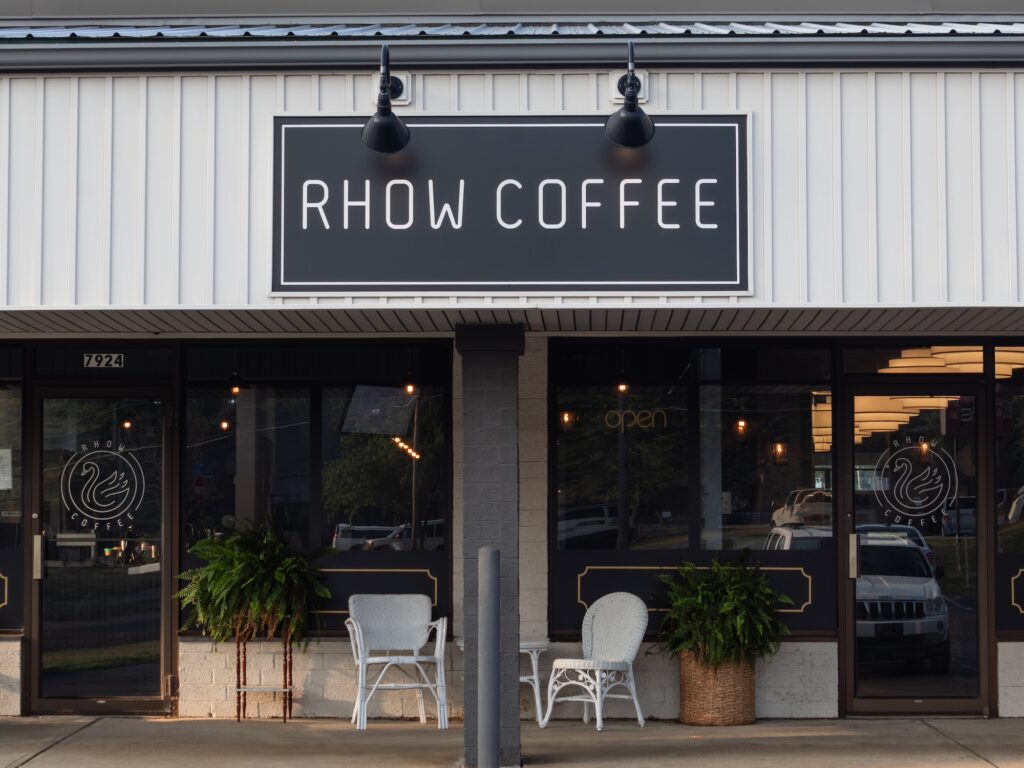
David is the owner of RHOW Coffee in Massillon, Ohio, a shop he purchased from his former employer at Pioneer Coffee. His path to ownership wasn’t a straight line, but it shows there’s more than one way to become a Coffeepreneur®.
In this article, we share the RHOW Coffee story and look inside the process of buying an existing coffee shop.
From Handyman to General Manager
During the pandemic, David, recently married, moved with his wife to the Canton, Ohio area, not far from his hometown of Akron. He ran his own handyman business for a while, but the move created a logistics problem: his handyman clients were still up in Akron, 30 to 40 minutes away, and the drive plus material runs made the business hard to sustain.
In 2024, with work slowing down, David applied to work at Pioneer Coffee, mostly for some extra income and a chance to scratch the coffee itch that had never left. He didn’t have formal barista experience yet, but he did have foundational skills he brought from Texas Coffee School when he took the 3-Day Coffee Business Master Class® in 2020. He was hired.
David mastered the craft under the thoughtful training of Pioneer’s owner. He moved quickly from employee to manager, then to general manager overseeing both of Pioneer’s locations and its roastery.
An Offer He Turned Down Twice
By the middle of 2025, Pioneer’s owner was ready to make a change. His lease was ending at one location, and he wanted to reinvest in his original shop and grow the roastery’s wholesale side instead of running two retail locations. Knowing David’s background and their working relationship, he asked David if he wanted to buy the location outright.
David said no. Twice. But then…
“I finally sat down, had a real conversation with my wife about it, really thought about it, and it made sense,” he said.
They agreed to the deal and signed the papers by December 31, 2025. David rang in 2026 as a coffee shop owner.
It wasn’t his original plan, but to David, this pathway to ownership seemed like it was always meant to be.
What Buying an Existing Shop Made Possible
It’s true that not all shop acquisitions run as smoothly as David’s. The former owner knew David, had a positive relationship with him, and did everything he could to set him up for success.
The deal included some terms that made a big difference to David. First, he got to keep all of the equipment. The espresso machine, grinders, drip brewers, refrigeration, all of it stayed in place, as David paid it off on a payment plan. The former owner also allowed no payments for the first six months so that David could get his business established.
“If I did not do that, I don’t know that I would have opened my own shop,” David said. “The whole bar design and the expense involved in that would have been probably too much for me at this point in my life.”
For anyone weighing whether to buy an existing coffee shop instead of building one from scratch, David’s experience points to a few real advantages, along with a few challenges worth preparing for.
What to expect when buying a coffee shop:
- An existing build-out and working bar means a faster reopening. Because the certificate of occupancy, zoning, plumbing, electrical, equipment, and established customer base were already in place, David only had to close for cosmetic work: repainting, refurnishing, and restocking. He was closed for a month rather than the many months a full build-out often requires.
- An existing customer base is an asset, but it comes with some confusion. David kept the shop’s drive-through running by mid-January specifically to avoid losing loyal customers out of their routine. Even so, some guests still ask why the previous shop closed.
- A good relationship with the seller pays off long after closing. David and the former owner still talk almost weekly. The former owner remains David’s wholesale coffee supplier and publicly announced the sale alongside David on social media, which helped carry the shop’s existing goodwill into its new chapter.
- You inherit a location’s strengths (and its quirks.) David’s shop sits in a busy plaza near a gas company headquarters, banks, and a car dealership, but the building itself sits back from the road at an awkward angle with weak signage. Buying existing means buying the site as it is.
Important note: David bought Pioneer Coffee with one big advantage most buyers don’t have; he’d previously managed the business. He knew the business inside and out, which eliminated the need for thorough due diligence that is essential to most buyers.
Turning Pioneer into RHOW
Even with a head start, David didn’t want to simply carry the previous shop forward under a new name. He wanted to bring his own concept into the space. RHOW is an acronym that stands for Rise Humbly Over Worry, a phrase that reflects David’s personal ethos and the message he wanted the shop to carry into the community.
“Rise above your problems. Everyone’s got problems. Control what you can control, but release the rest,” David explained.
That philosophy shaped more than the name. David wanted a space built around what actually happens over a cup of coffee: business meetings, first dates, catching up with old friends.
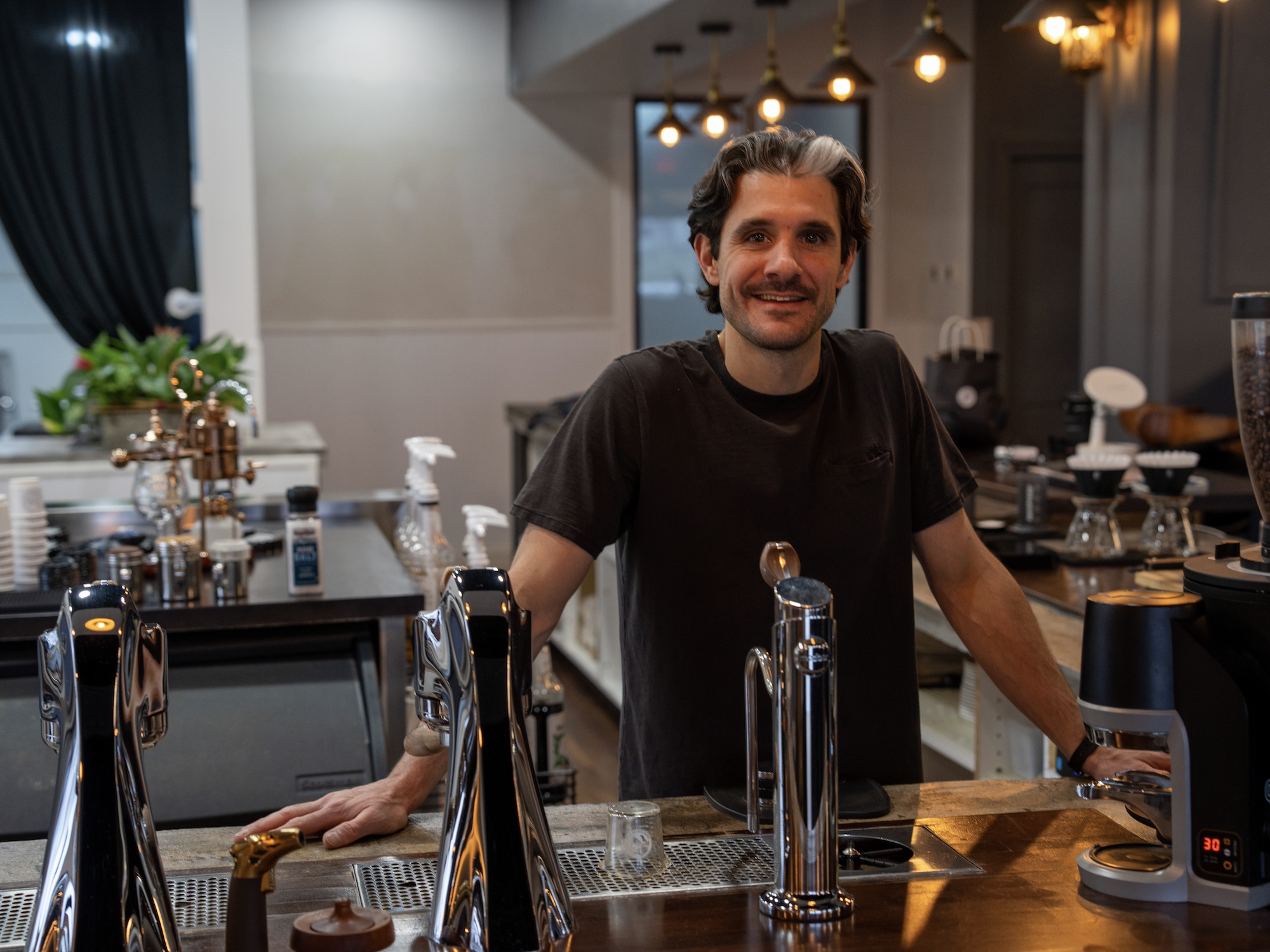
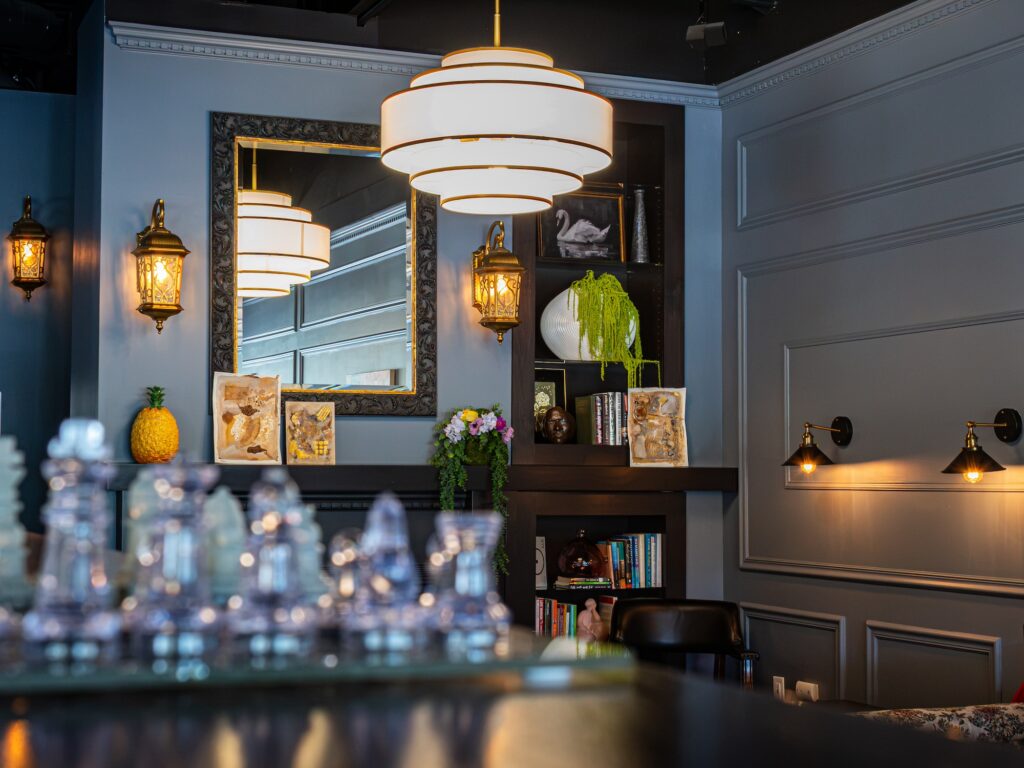
His changes to the shop’s interior reflect that shift. He painted over the previous black-and-gold color scheme with a softer blue-gray called Storm Cloud. He installed new light fixtures and chandeliers for a mid-century modern feel that still lands as cozy rather than sterile.
David describes the goal as something close to a grandparent’s front sitting room: mid-century, a little formal, built for staying awhile rather than passing through.
RHOW’s Next Steps
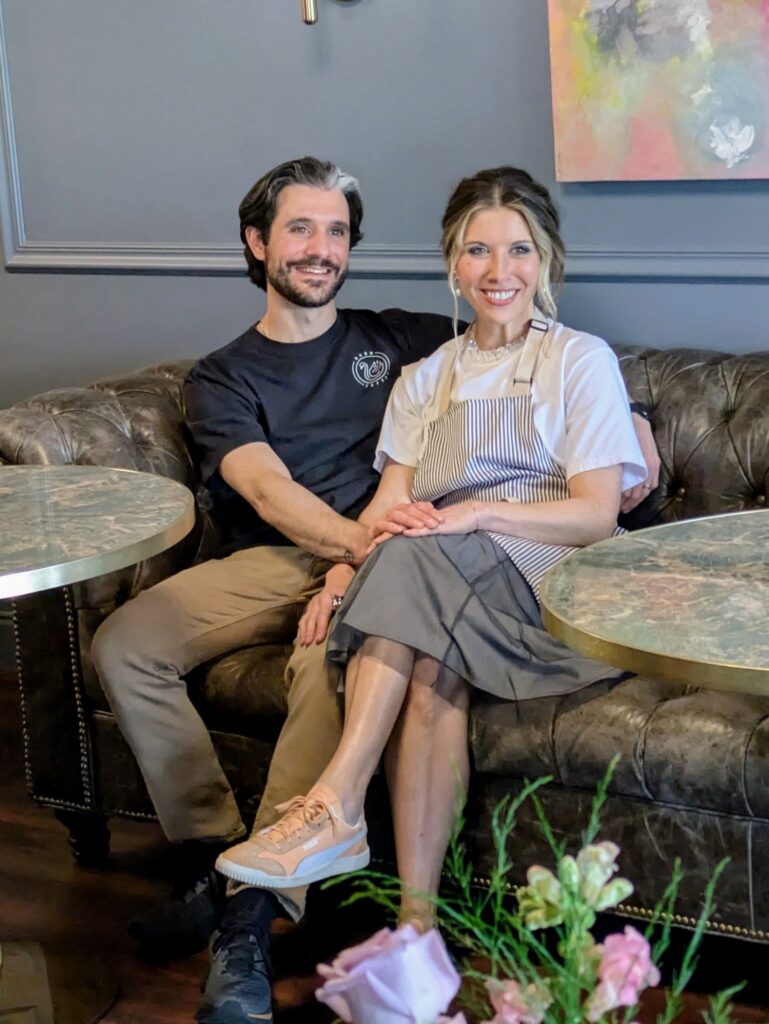
Just six months in, David spends many of his days as RHOW’s owner, manager, and barista, though he’s started to build out and train his own team to delegate some of those roles. In the coming months, he’s working on a catering venture with his sights set on a RHOW coffee cart for weddings and corporate events.
“I’ve been humbled by the support that I’ve gotten, almost to the point it becomes overwhelming,” David said of the RHOW’s first six months.
As they get older, David looks forward to offering his nieces their first jobs at RHOW. He likes the idea of a family-owned venture; his wife currently handles RHOW’s marketing. In addition, he’s passionate about creating a space that supports the wider Massillon community.
Considering Buying a Coffee Shop of Your Own?
Whether you’re building from the ground up or considering a purchase like David did, you’ll need a solid business foundation in order to succeed. Attend the class that gave David his start back in 2020: the 3-Day Coffee Business Master Class® at Texas Coffee School.
Frequently Asked Questions
Is it better to buy an existing coffee shop or build one from scratch?
The total investment can be lower when buying an existing coffee shop, depending on the opportunity and how motivated the current owner is to sell. An existing shop may also come with valuable advantages like equipment, infrastructure, and a certificate of occupancy already in place, helping you open faster. On the other hand, it can also come with hidden expenses such as replacing equipment, making repairs, remodeling, or addressing deferred maintenance. You’ll also inherit the location’s reputation, staff, and lease agreement terms, for better or worse, and in some cases you may be buying someone else’s traffic or site selection problem.
Do your due diligence and evaluate what you’re actually buying, not just the purchase price. If the existing brand has little customer loyalty or market value, be careful not to pay a premium for it. In many acquisitions like this, the value is the infrastructure, accelerated time to opening, and a quality high-traffic location with strong fundamentals that simply needs better systems and operations to become more profitable. We cover how to evaluate acquisition opportunities, along with everything you need to open and run a profitable coffee shop, in the Texas Coffee School 3-Day Coffee Business Master Class®. The Coffee Shop Operations Master Class then dives deep into the systems, processes, and management strategies that improve consistency, team performance, and profitability.
What should I look for when buying an existing coffee shop?
Key factors include the location and customer traffic, the condition and ownership of the equipment and space, the terms and remaining length of any lease or building purchase, verified financial performance, the existing customer base and brand loyalty, and the seller’s reason for selling. You should also consider whether the business has strong fundamentals that could become more profitable with better systems and operations, or whether you’re inheriting a poor location, weak traffic, deferred maintenance, staffing problems, or a negative reputation that may be difficult to overcome. Make sure the seller is willing to provide documentation, be transparent about the business, and support a smooth transition.
Do I need barista experience to buy a coffee shop?
Not necessarily, but hands-on experience helps. (And coffee business knowledge is essential.) David honed his barista skills on the job while working his way up from employee to general manager at Pioneer Coffee Roasters, which gave him firsthand knowledge of daily operations before he became an owner. He started his coffee journey, including hands-on barista training, in Texas Coffee School’s 3-Day Coffee Business Master Class®.
How does Texas Coffee School help with a coffee shop purchase versus a new build?
Texas Coffee School’s 3-Day Coffee Business Master Class® covers the business foundation you need whether you’re buying an existing coffee shop or building one from the ground up. It covers everything from financials and site selection to operations, menu development, marketing, and more. David credits the class with giving him the knowledge and confidence to recognize a great acquisition opportunity when it came along years later. For owners who want to refine an existing coffee business even further, the Coffee Shop Operations Master Class builds on that foundation with advanced systems and strategies focused on improving people, processes, and profitability.
Featured Classes


Register for a Coffee Class
The Best Coffee Training Available
We’ve helped hundreds of students successfully launch their own coffee shop businesses. Join us in our 5-Star Rated Coffee Classes, whether you’re an aspiring entrepreneur looking to open a coffee shop, a manager, a barista or home enthusiast looking to sharpen your skills.